Health Risks Associated With Skunks
Skunk removal experts can help eliminate skunks to reduce health risks associated with their presence and prevent potential exposure to diseases like rabies.
Visitors exploring concerns about health risks associated with skunks are in the right place. Property owners in the area may find this information useful for understanding potential dangers that can arise when skunks take up residence nearby. Recognizing the signs of skunk activity and understanding the health issues they can pose-such as the spread of diseases like rabies or leptospirosis-are practical steps toward safeguarding family and pets. Local service providers specializing in skunk removal are equipped to handle these situations effectively, helping to reduce health hazards and restore peace of mind on your property.
Continuing to explore this topic can reveal how professional skunk removal services play a crucial role in addressing these health concerns. Skilled contractors can safely and humanely remove skunks, preventing further risks of disease transmission and property damage. Keeping an eye on potential skunk encounters and knowing when to seek expert assistance can make a significant difference in maintaining a safe, healthy environment around the home or business.
- Skunk removal - needed when signs of skunk activity are near living areas due to concerns about potential health risks associated with skunks. Local contractors assess the situation and safely remove the animals to prevent disease transmission.
- Odor control and removal - required when skunk activity has led to strong odors that may carry bacteria or pathogens, with local service providers using specialized techniques to eliminate health hazards.
- Sanitization services - necessary after skunk encounters to disinfect contaminated areas, helping to reduce the risk of disease spread from bacteria or parasites.
- Habitat exclusion - performed to prevent future skunk visits that could increase health risks, with local pros sealing entry points and advising on safe exclusion methods.
- Wildlife cleanup - needed when urine or droppings are present, as they can harbor germs, with local experts removing waste and disinfecting affected spaces to protect health.
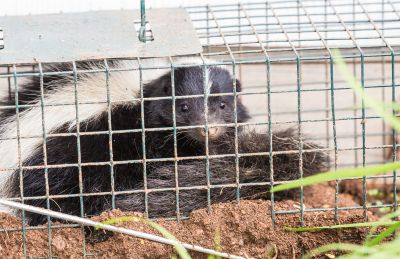


When people search for information about health risks associated with skunks, they often want to understand how these animals can impact their household or property. Typically, the concern revolves around the potential for skunks to carry and transmit diseases, especially since they frequently forage in yards and around homes. Homeowners may be noticing signs of skunk activity, such as odor, tracks, or sightings, and want to know if these animals pose any health threats to their families and pets. Understanding these risks helps homeowners decide whether professional skunk removal is necessary to protect their living environment.
The health problems linked to skunks primarily stem from their ability to carry diseases that can be transmitted through bites, scratches, or contact with contaminated areas. Common concerns include rabies, which is a serious viral disease that can affect humans and animals, and parasitic infestations like fleas and ticks that may carry other illnesses. Additionally, skunks may urinate or defecate in areas where people and pets frequent, creating a risk of exposure to bacteria such as leptospira, which can cause serious health issues. For property owners, these health risks highlight the importance of addressing skunk activity promptly to prevent potential transmission of diseases.
Certain properties tend to be more prone to skunk encounters, especially those with accessible food sources or shelter options. Residential yards with unsecured trash cans, compost piles, or pet food left outside often attract skunks looking for easy meals. Gardens with dense shrubbery or woodpiles provide ideal hiding spots and dens for these animals. Properties located near wooded areas, parks, or undeveloped land are also more likely to experience skunk activity. Recognizing these property types helps homeowners understand the importance of proper sanitation and habitat modification, which local service providers can assist with to reduce health risks associated with skunks.
Connecting with experienced skunk removal professionals is a practical step for homeowners concerned about health risks. These local contractors can assess property conditions, identify active skunk habitats, and implement targeted removal or exclusion methods to prevent future issues. Proper removal not only helps eliminate the immediate health threats but also reduces the likelihood of recurring problems. Engaging with trusted service providers ensures that property owners can manage skunk activity safely and effectively, minimizing health risks while maintaining a clean, pest-free environment.
Wildlife exclusion projects - these involve planning and installing barriers to prevent animals like skunks from entering properties, reducing health risks associated with skunks.
Pest control consulting - professionals develop strategies to manage and deter skunks, helping mitigate potential health hazards tied to skunk activity.
Home inspection services - inspectors identify signs of skunk intrusion and contamination, assisting homeowners in addressing health risks related to skunk presence.
Odor removal solutions - these projects focus on eliminating persistent skunk odors that can carry health concerns, with local service providers equipped to handle cleanup.
Animal habitat modification - specialists modify yard and property environments to make them less attractive to skunks, reducing the chance of health risks from encounters.
Sanitation and cleanup services - experts clean and disinfect areas contaminated by skunks, helping reduce exposure to diseases and other health risks linked to skunk infestations.
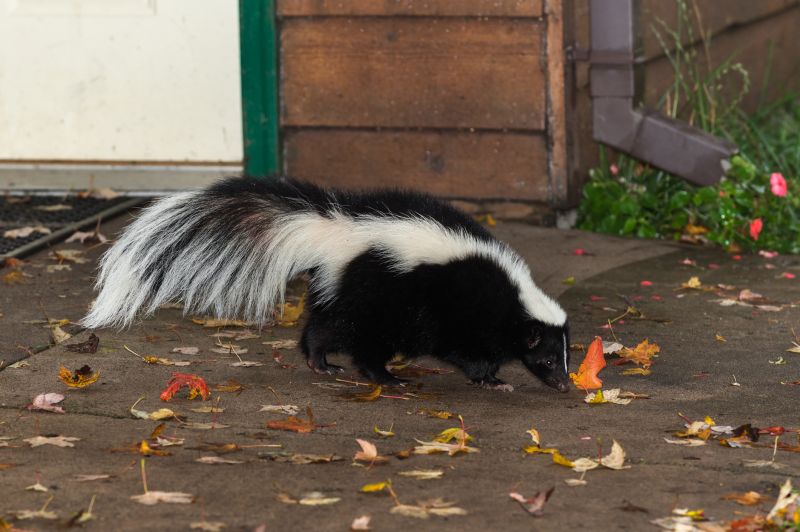
When evaluating potential service providers for skunk removal, it’s important to consider their experience handling similar projects, especially those related to wildlife intrusion and health risk mitigation. A contractor with a history of successfully managing skunk-related issues will be more familiar with the specific challenges involved and can provide insights into effective removal and prevention methods. Asking about their past work can help determine if they have the practical knowledge needed to address health risks associated with skunks, such as disease transmission or contamination concerns.
Clear, written expectations are essential when choosing a local contractor for skunk removal services. These should outline the scope of work, including inspection procedures, removal techniques, and any follow-up steps to ensure the problem is fully addressed. Well-defined expectations help prevent misunderstandings and ensure that both parties are aligned on the process, especially considering the health implications of skunk activity. Service providers who communicate their approach openly and provide detailed written estimates are more likely to deliver a transparent and professional experience.
Good communication and reputable references are key indicators of a reliable contractor. A service provider who is responsive to inquiries and willing to share references demonstrates a commitment to transparency and accountability. Reaching out to previous clients can offer insights into the contractor’s ability to handle sensitive situations involving health risks, as well as their professionalism throughout the project. Choosing a local contractor with positive feedback and clear communication practices can help ensure that the skunk removal process is handled safely and effectively, reducing potential health hazards for the household.
Property owners often search for health risks associated with skunks when they are planning practical projects around their homes and businesses. Local pros provide Skunk Removal services for everyday jobs and straightforward project options.
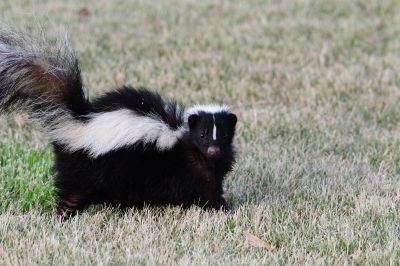
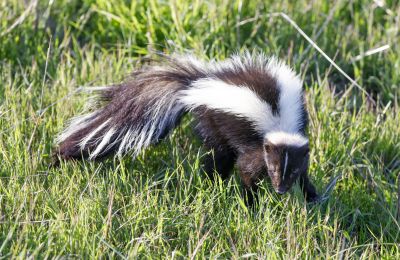
Skunks are common wildlife visitors in many neighborhoods, often attracted to yards with accessible food sources or shelter. While they may seem harmless, property owners should be aware of the health risks associated with skunks, especially if they encounter them near living spaces or animal enclosures. Skunks can carry diseases such as rabies and parasites like fleas and ticks, which can pose health concerns for both humans and pets. Recognizing the potential dangers underscores the importance of professional skunk removal services to safely address these issues and prevent unwanted encounters.
In addition to health risks, skunks can cause property damage by digging up lawns, burrowing under decks, or getting into trash bins. These behaviors can increase the likelihood of contact with skunks and their associated health concerns. Local contractors specializing in skunk removal are equipped to handle these situations effectively, ensuring that properties are cleared of these animals and reducing the risk of disease transmission. Engaging experienced service providers can help property owners maintain a safe and healthy environment while addressing the nuisance of unwanted wildlife.
What health risks are associated with skunks? Skunks can carry diseases such as rabies, leptospirosis, and parasites that may pose health risks to humans and pets.
How can skunk encounters affect my family's health? Encounters with skunks can lead to exposure to bacteria and viruses, increasing the risk of infections and other health issues.
Why should I consider professional skunk removal for health reasons? Professional skunk removal services can safely eliminate the animals and reduce the likelihood of disease transmission and contamination.
Are there health concerns related to skunk droppings and urine? Yes, skunk droppings and urine can harbor pathogens that may cause illness if touched or ingested accidentally.
How do local service providers help reduce health risks associated with skunks? Local contractors can remove skunks safely and implement measures to prevent future infestations, helping to protect health and safety.
Understanding disease transmission - property owners can learn how skunks may carry diseases and work with local contractors to remove attractants that draw these animals away from homes.
Identifying contaminated areas - recognizing spots where skunks have been can help in planning safe cleanup and disinfection with the help of local service providers.
Preventing exposure during removal - property owners can implement safety measures during skunk removal projects to reduce health risks associated with contact or contamination.
Implementing exclusion techniques - working with local pros to seal entry points can minimize the chance of skunks returning and reduce health hazards linked to their presence.
If you are thinking about health risks associated with skunks for a property, this guide is meant to help you understand this topic, the typical project types, and how different options might fit your plans.
When you are ready, you can use the quote form on this page to share a few details about your project. From there, local pros can review the basics and follow up with options that match what you have in mind.